
Current Research, Neurological Disorders, and Prospects for Brain Repair
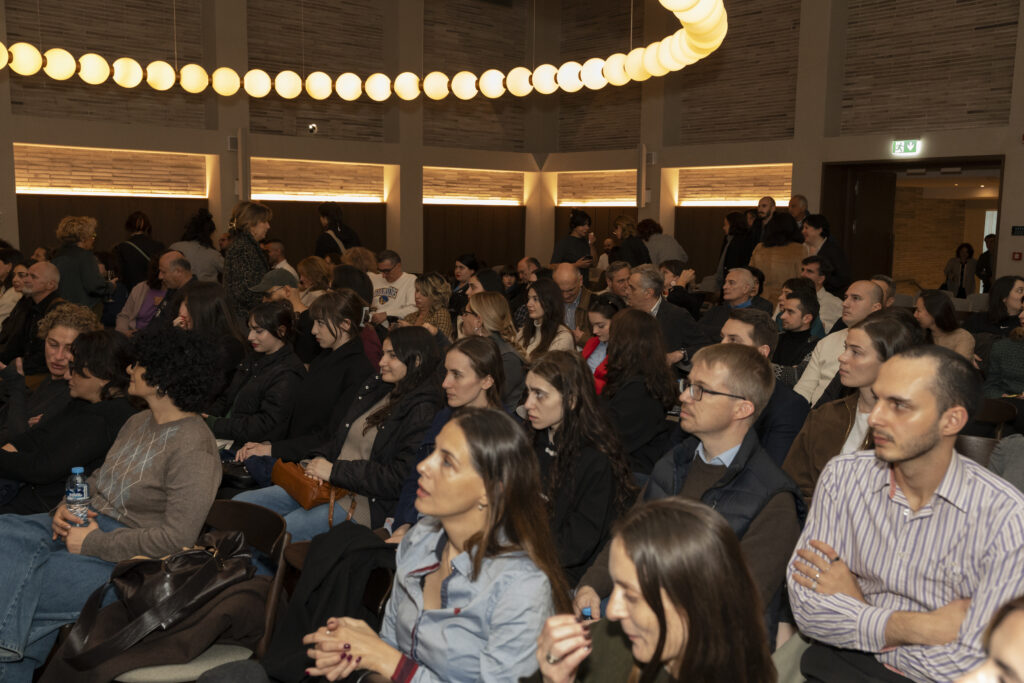
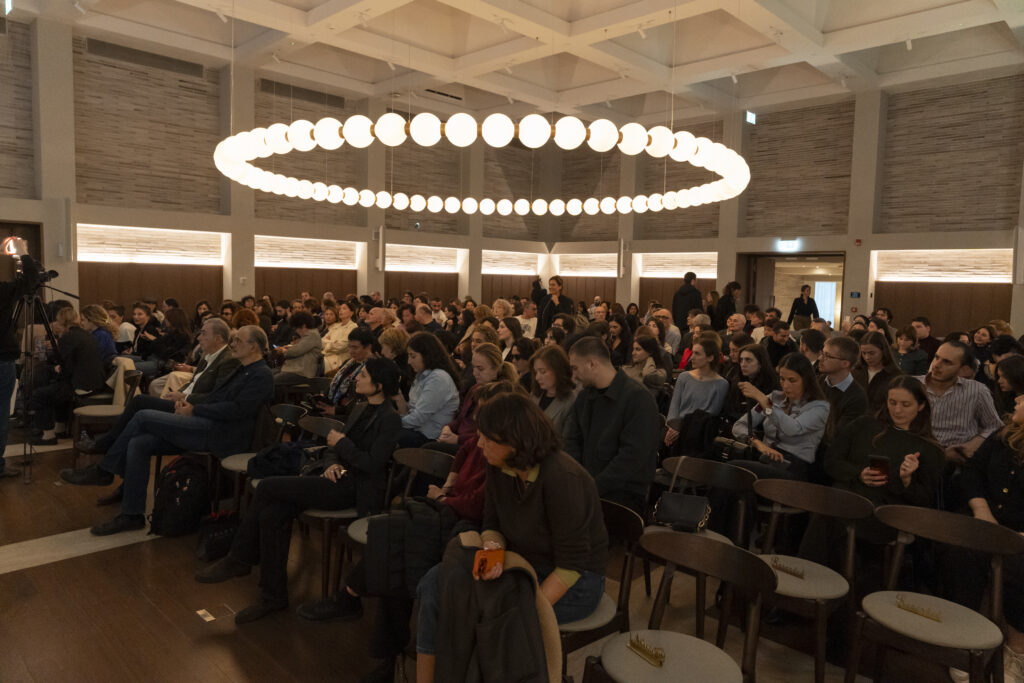
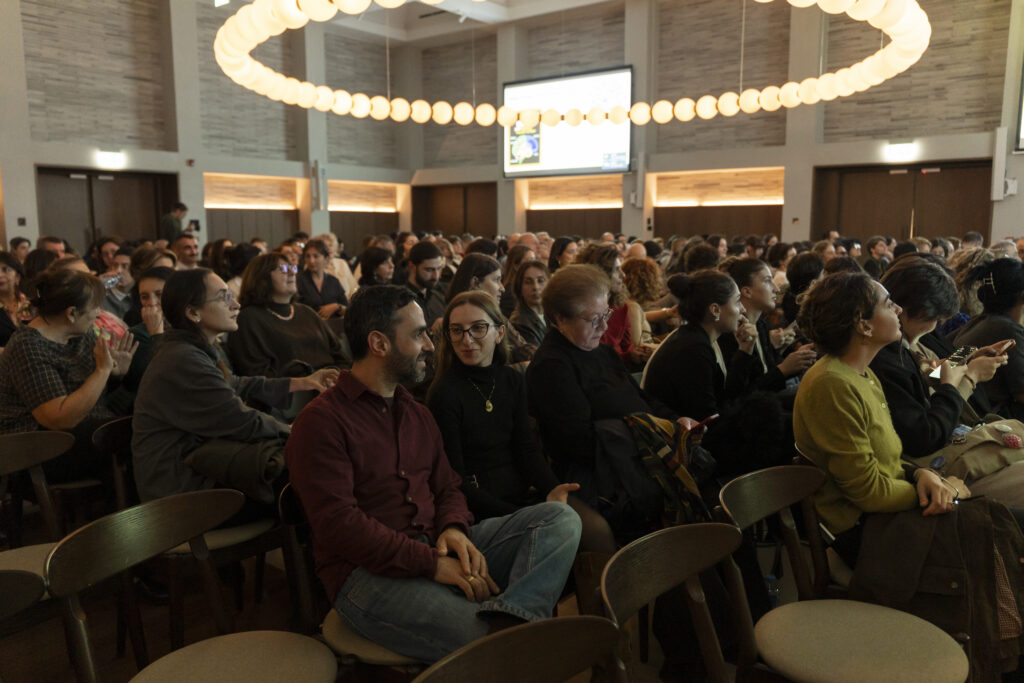
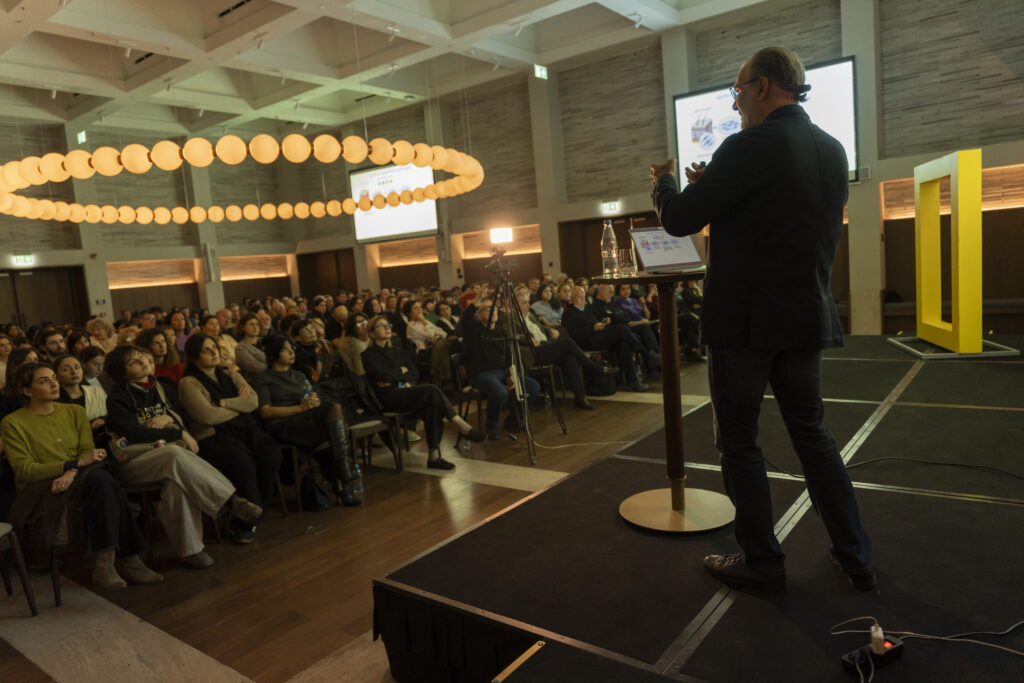
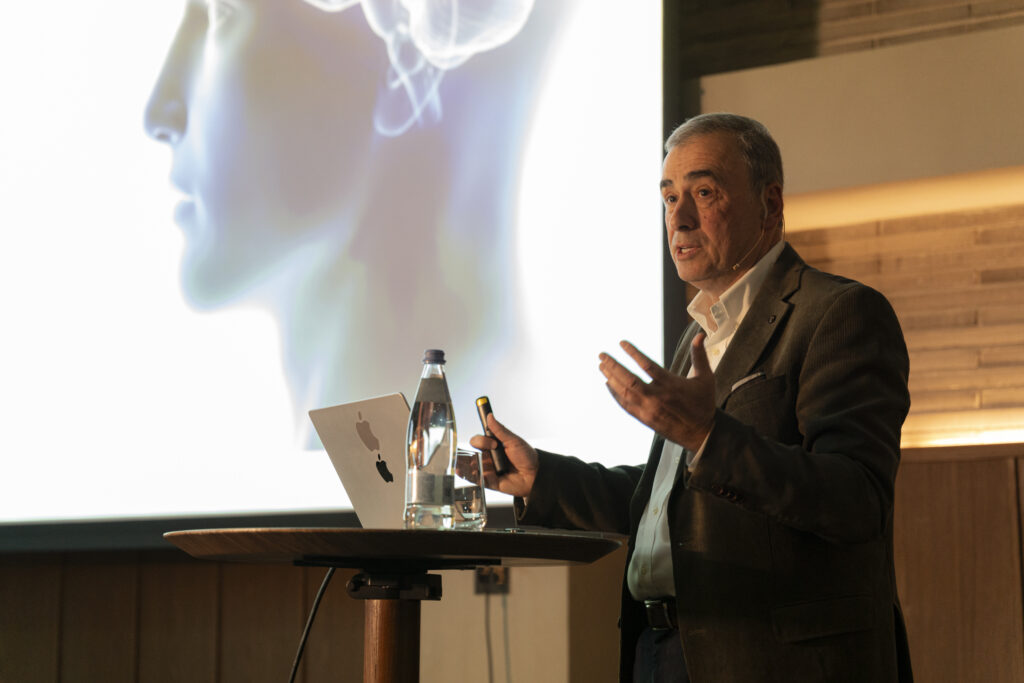
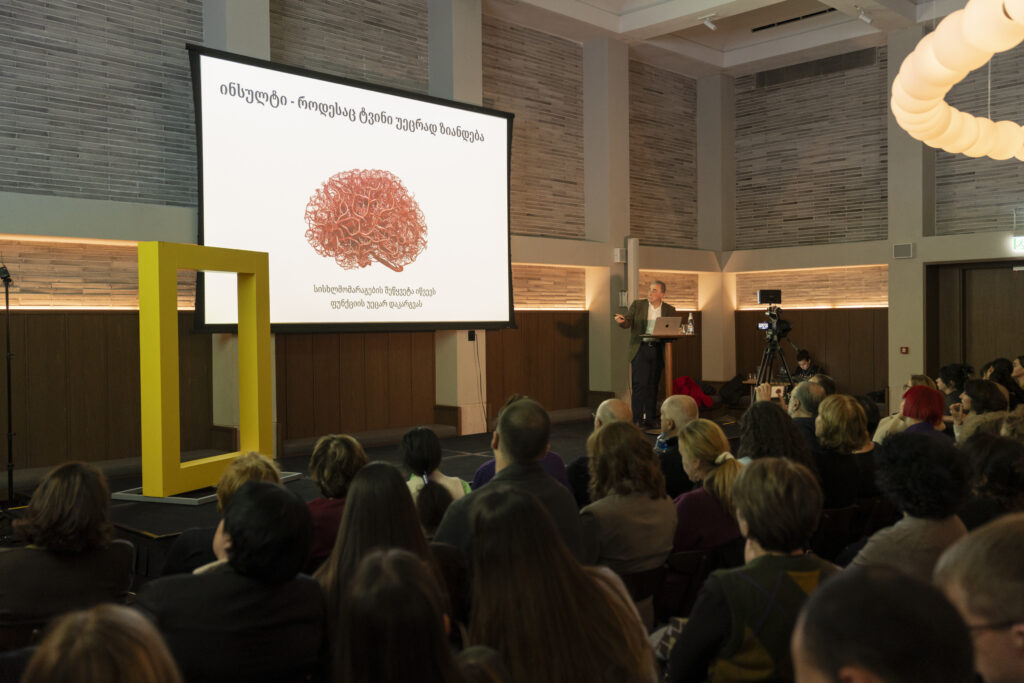
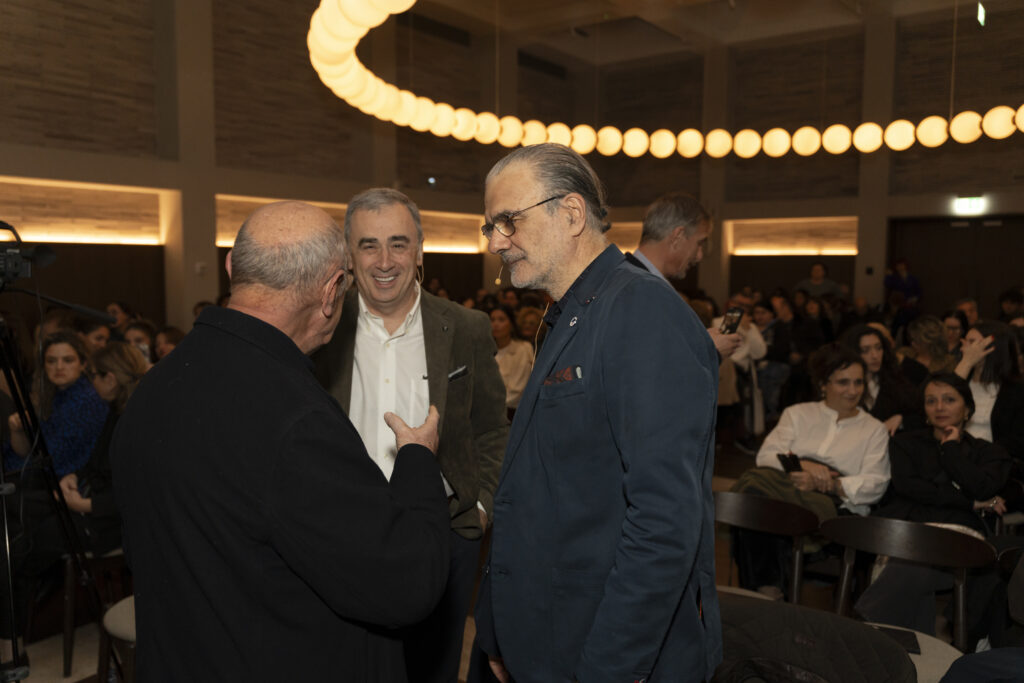
On November 15, Academia Europaea Tbilisi Hub and National Geographic Magazine – Georgia organized a public lecture entitled “The Brain: An Unknown Universe Within Us,” featuring two members of Academia Europaea: Professor Zaal Kokaia, Chair of the Scientific Board of the Tbilisi Hub, and Professor Aleksandre Tsiskaridze, a member of the same Board.
The lecture focused on current neuroscience research, the latest approaches to studying neurological disorders, and scientific and technological innovations opening up new possibilities for treating conditions caused by nervous system damage.
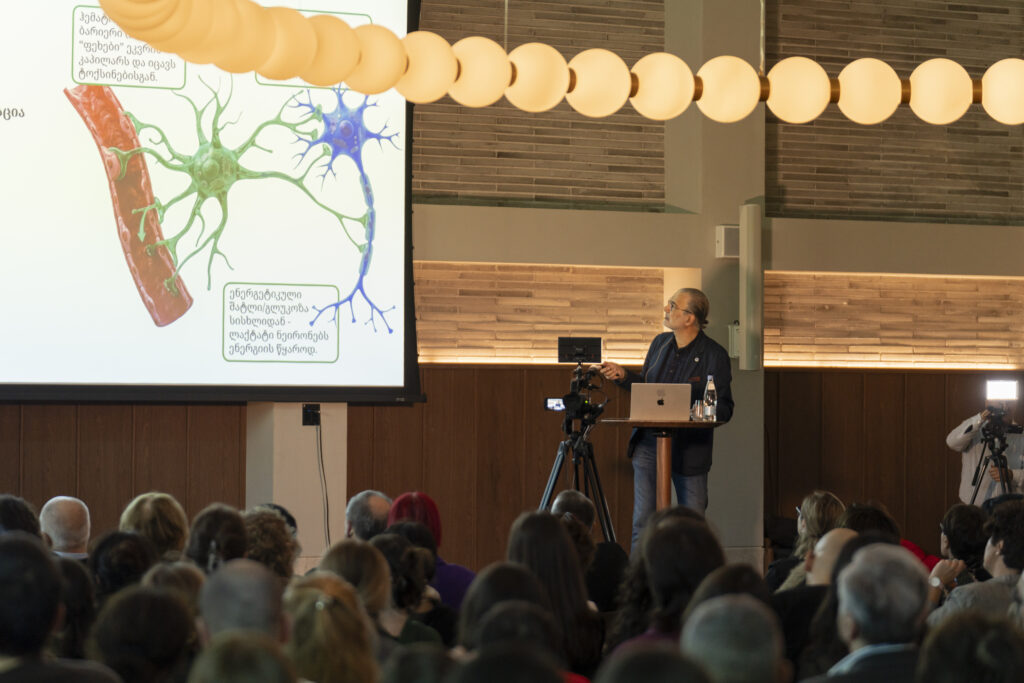
Professor Zaal Kokaia, Head of the Stem Cell and Restorative Neurology Laboratory at Lund University (Sweden), spoke about his ongoing research on generating of neural cell types from stem cells and reprogrammed cells and their potential application in repairing damaged nervous tissue.
Particular attention was given to oligodendrocytes – specialized glial cells of the central nervous system responsible for producing the myelin sheath around neuronal axons. Myelin acts as an insulating layer that enables rapid, efficient transmission of nerve impulses. Damage to this sheath can significantly impair nervous system function.
As discussed during the lecture, understanding the role of oligodendrocytes and myelin is particularly important in research into neurological disorders such as multiple sclerosis (MS), stroke, and other conditions. Current studies in this field aim to gain a better understanding of the mechanisms underlying the restoration of damaged myelin – a process known as remyelination.
The generation of new oligodendrocytes from stem cells and their potential use in repairing damaged nervous tissue represent an important research direction in contemporary neuroscience. Promoting remyelination may, in the future, provide the basis for new therapeutic approaches and contribute to the recovery of functions lost as a result of neurological disorders.
Professor Alexander Tsiskaridze, a neurologist and Professor at Ivane Javakhishvili Tbilisi State University (TSU), addressed major neurological disorders, including multiple sclerosis, stroke, and Alzheimer’s disease. He discussed the application of modern technologies and diagnostic methods for both early detection of these conditions and improving the effectiveness of their treatment.
The lecture also explored contemporary approaches to stroke treatment, including procedures to dissolve blood clots and mechanically remove them from blood vessels. It was emphasized that timely diagnosis and appropriate intervention play a crucial role in minimizing brain damage and improving patients’ prospects for functional recovery.
Professor Tsiskaridze also discussed how advances in neuroscience are translated into clinical practice, contributing to the development of new medicines and the refinement of existing treatment methods.
As part of the event, the latest special issue of National Geographic Magazine – Georgia, dedicated to the human brain, was presented. The publication invites readers to explore the complex and still not fully understood world of the human brain.
The public lecture provided another opportunity to bring science closer to society. Events like this play an important role in sharing the latest scientific knowledge, making complex topics accessible to a wider audience, and fostering greater public interest in science.
The event was hosted by: Silk Hospitality.