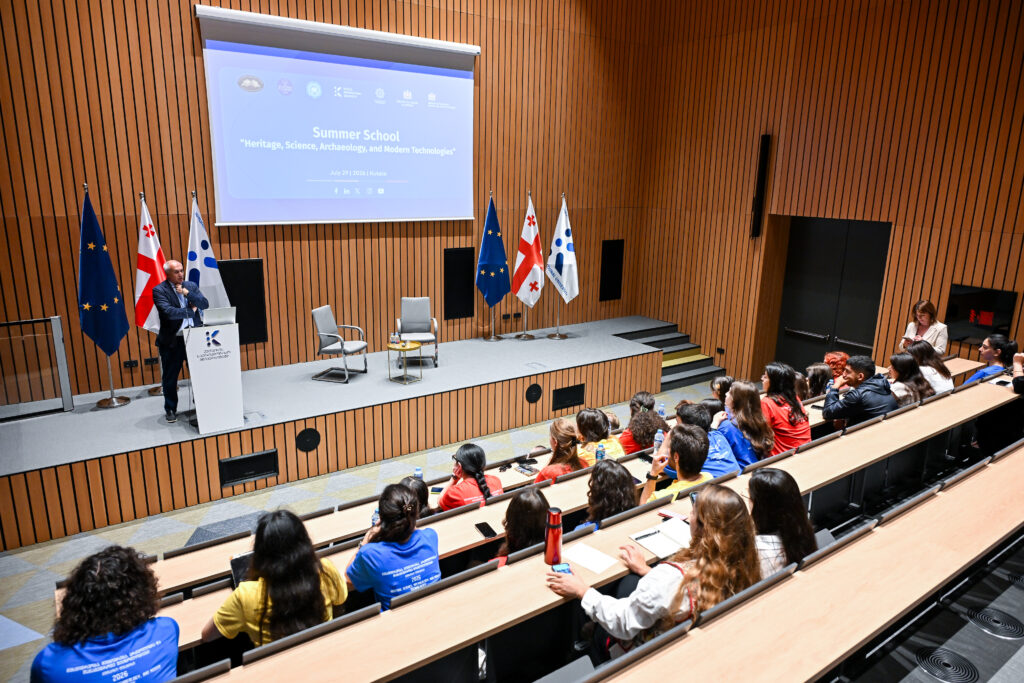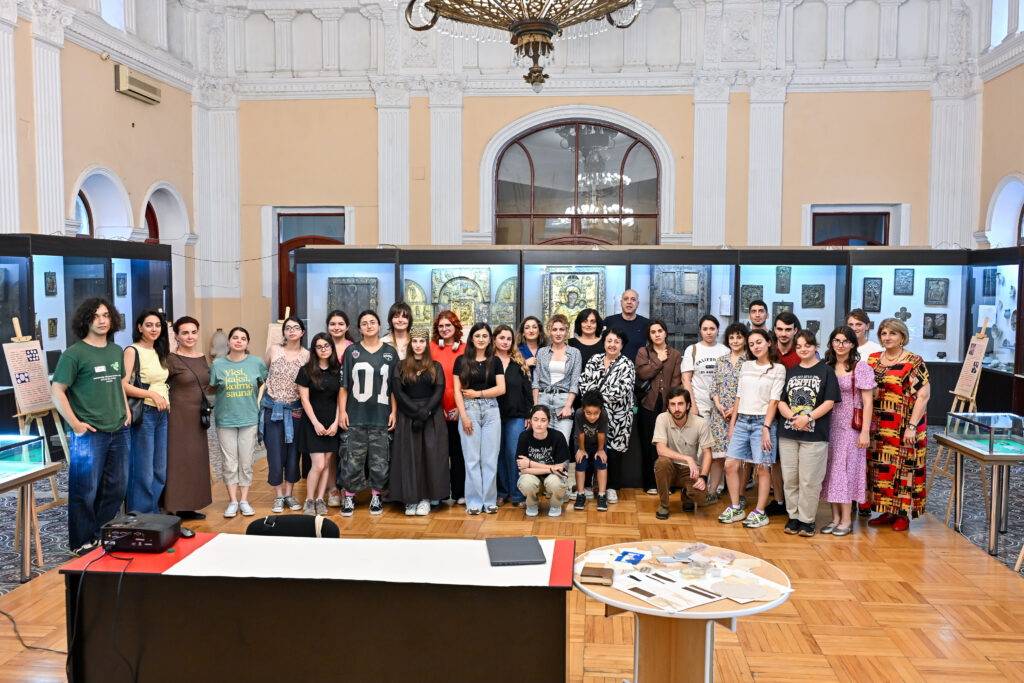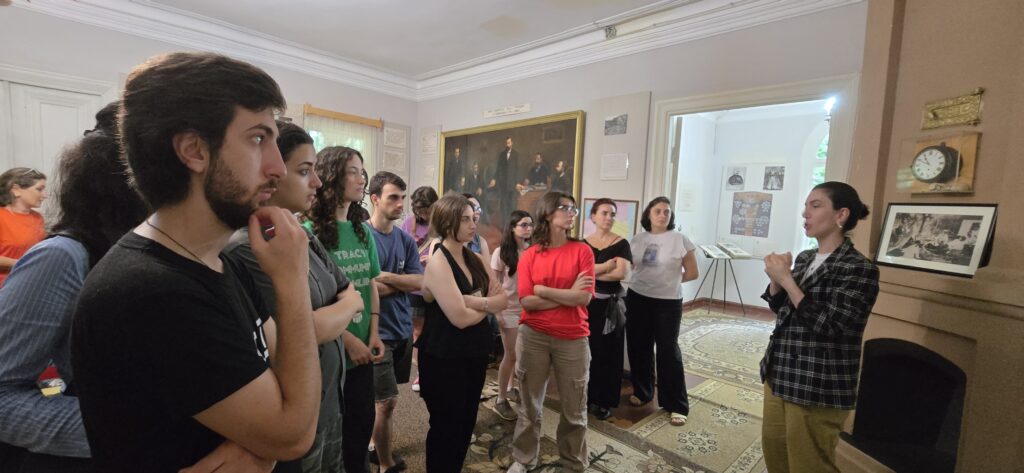

From 28 July to 2 August, the International Summer School “Heritage, Science, Archaeology, and Modern Technologies” was held for the third consecutive year, organized by the Academia Europaea Tbilisi Hub and the Georgian National Museum.
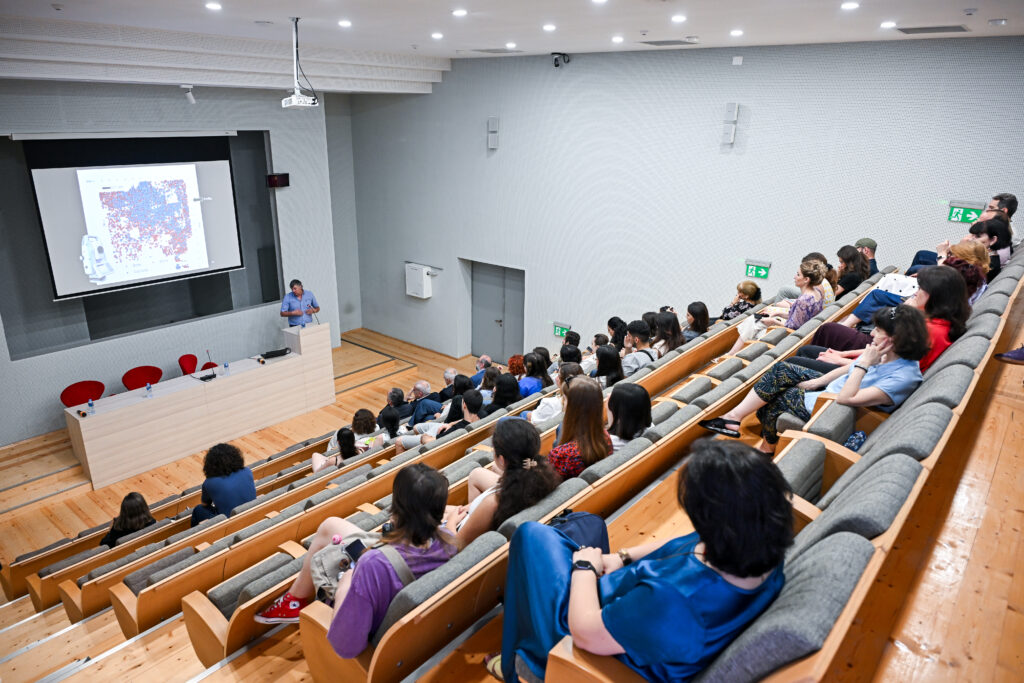
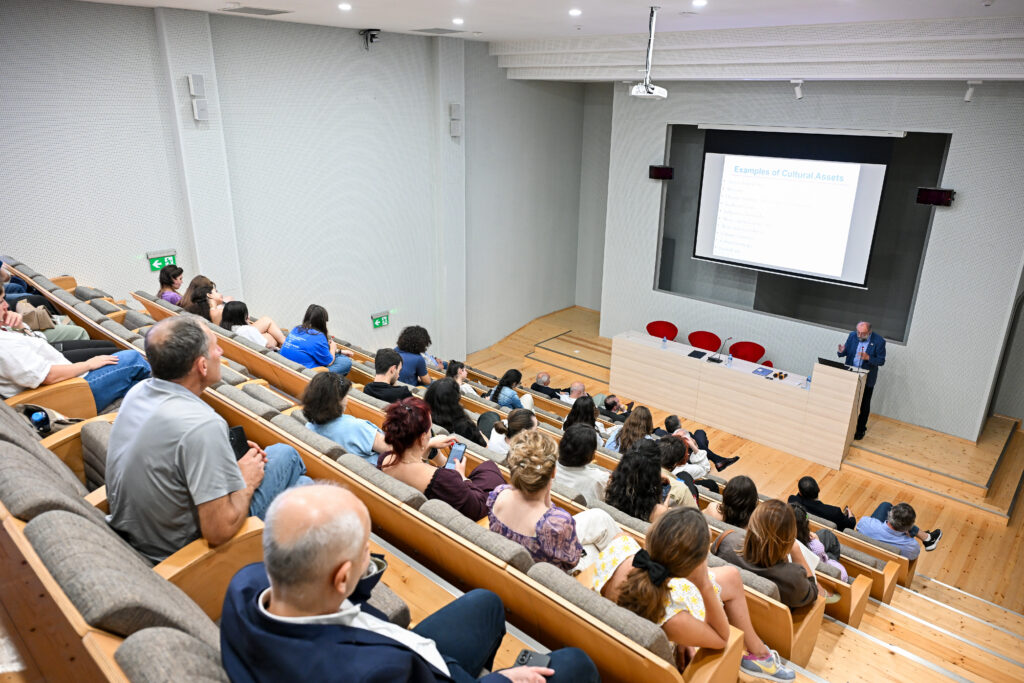
Within the framework of the intensive program, participants attended lectures delivered by Georgian and international specialists whose work is connected with multidisciplinary international projects. The lecturers demonstrated the role that modern technologies play in science today and explored how artificial intelligence can be applied in conducting scientific research and interpreting research results.
The program was structured around several thematic areas and covered topics such as natural history and natural heritage research; modern technologies in archaeological research; contemporary methods and challenges in conservation and restoration; the development of cultural heritage, science interpretation, and the application of modern technologies; and biocultural heritage as a key to Georgia’s competitiveness.
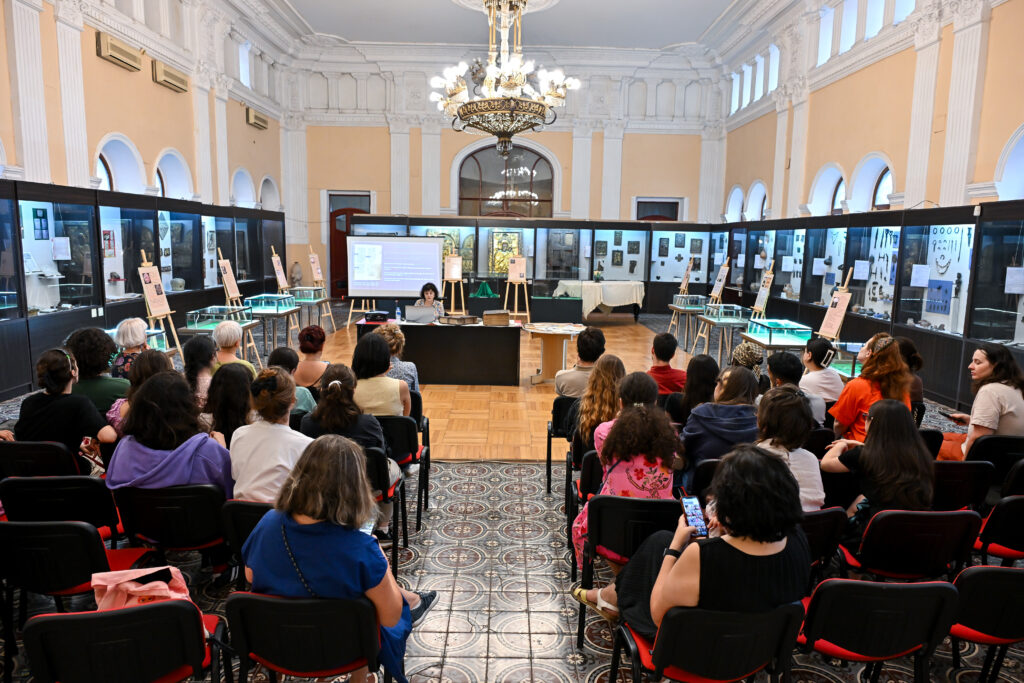
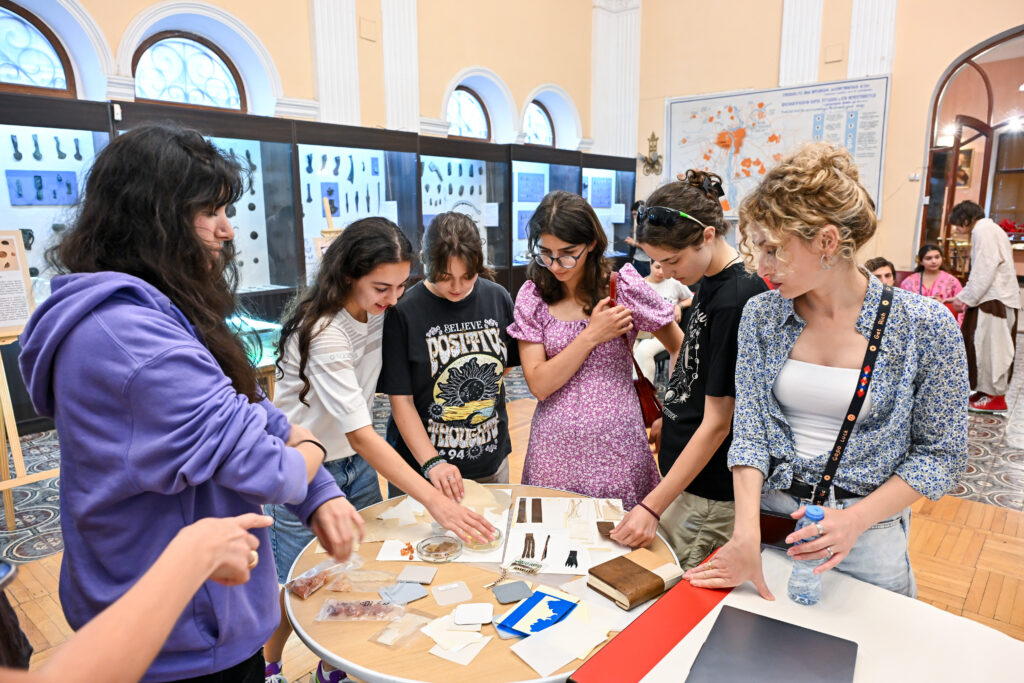
A seminar held at the Kutaisi State Museum was dedicated to the history of the Georgian script and contemporary methods of manuscript restoration. Participants also had the opportunity to view the museum’s unique collection of Georgian manuscripts preserved in its holdings.
A special presentation was organized for the Summer School participants at Gelati Monastery, where the conservators currently working on the monument provided a detailed overview of the ongoing restoration process and answered participants’ questions.
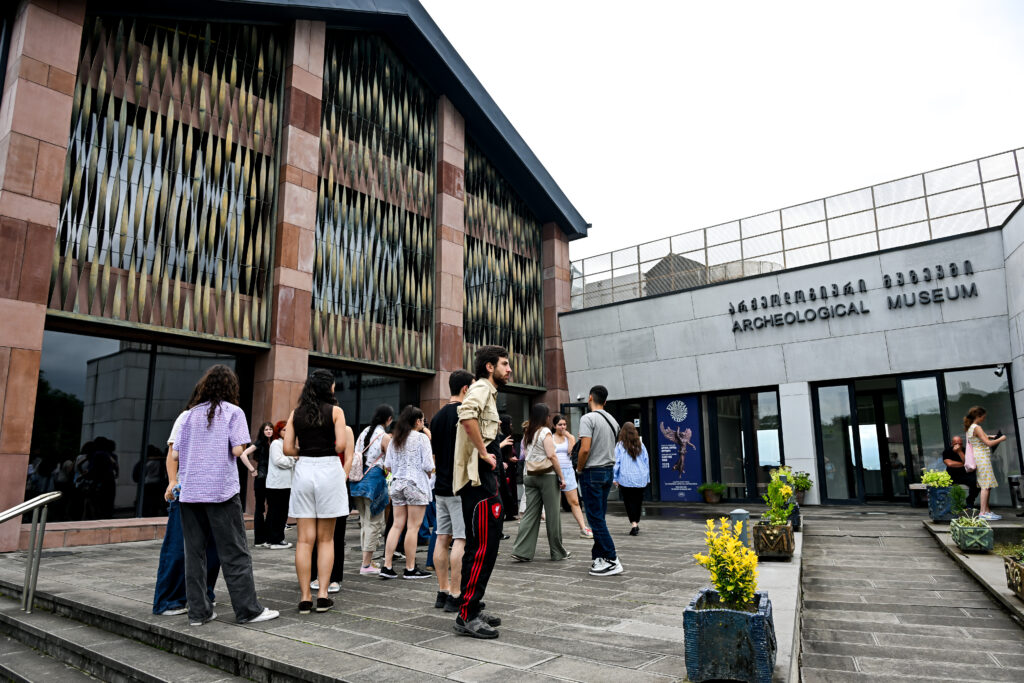
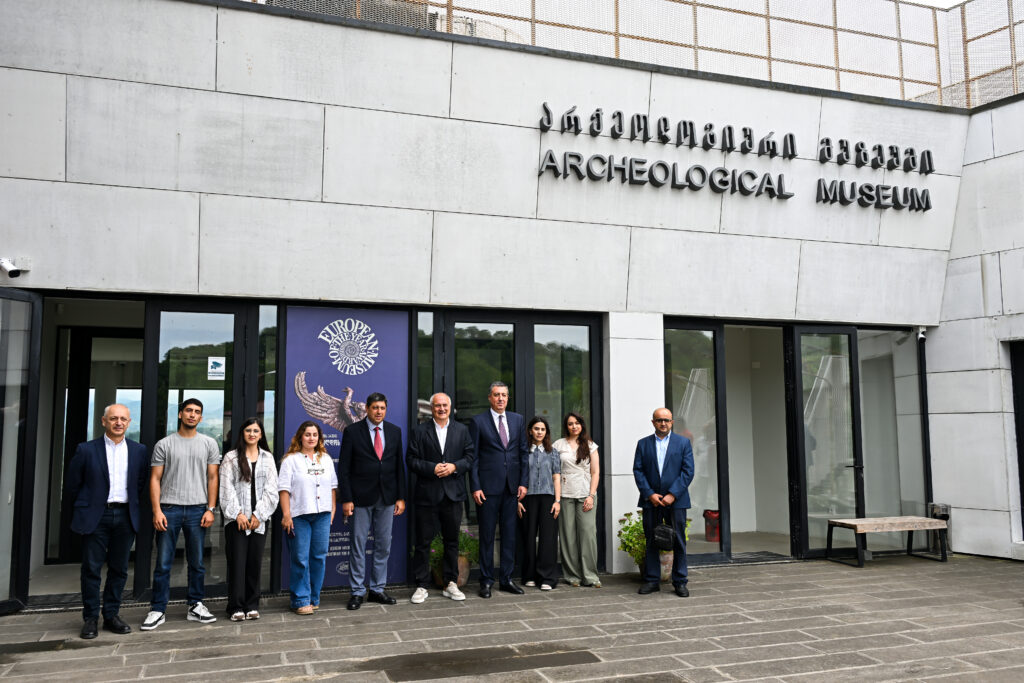
On 2 August, the Vani Archaeological Museum hosted the concluding event of the Summer School, including a session entitled “Biocultural Heritage as a Key to Georgia’s Competitiveness.”
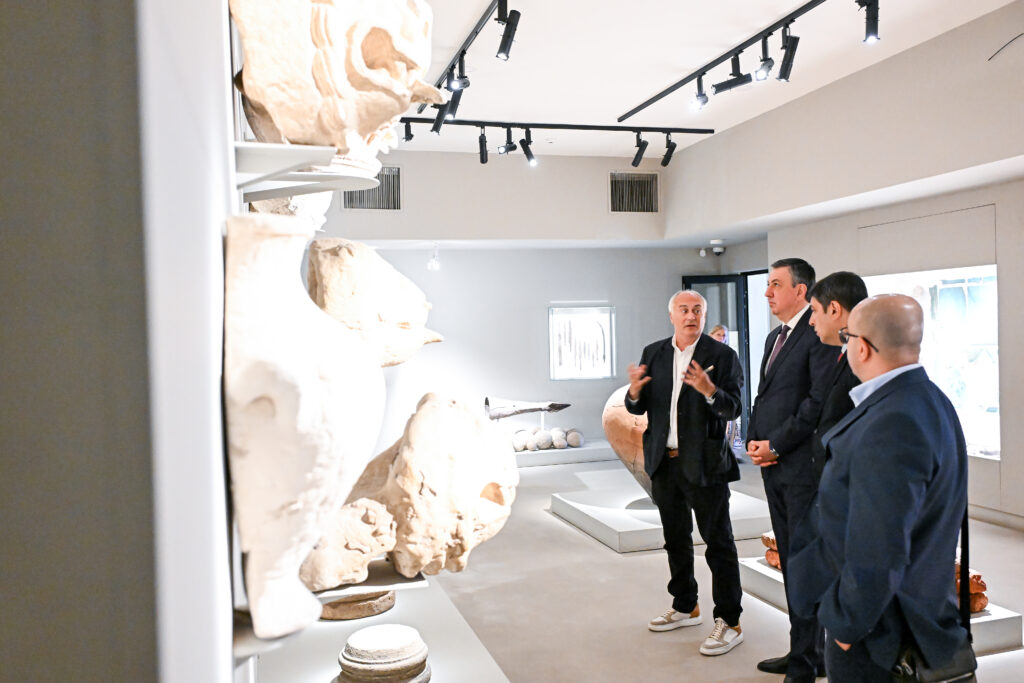
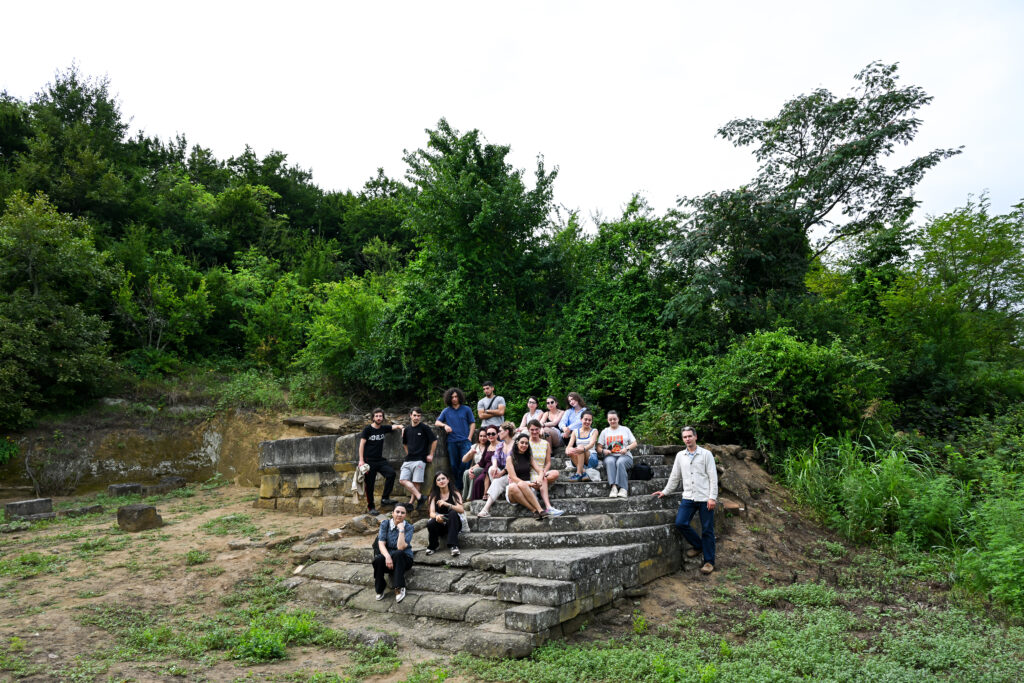
In addition to lectures and seminars, the Summer School included several field activities, giving participants the opportunity to visit Motsameta Monastery, Bagrati Cathedral, the Niko Nikoladze House Museum, and the award-winning Vani Archaeological Museum.
Alongside Georgian students from Ivane Javakhishvili Tbilisi State University, Tbilisi State Academy of Arts, Sokhumi State University, Georgian Technical University, and the University of Georgia, the international Summer School brought together Fereydani Georgians and students from universities in Baku (Azerbaijan), Zurich (Switzerland), Ankara (Türkiye), and Prague (Czech Republic).
It is also noteworthy that the participation of Azerbaijani students in the program was made possible through the initiative of the Georgian National Museum and the Institute of Archaeology and Anthropology of Azerbaijan, with the support of the Heydar Aliyev Foundation. The Georgian National Museum has maintained a longstanding partnership with both institutions.
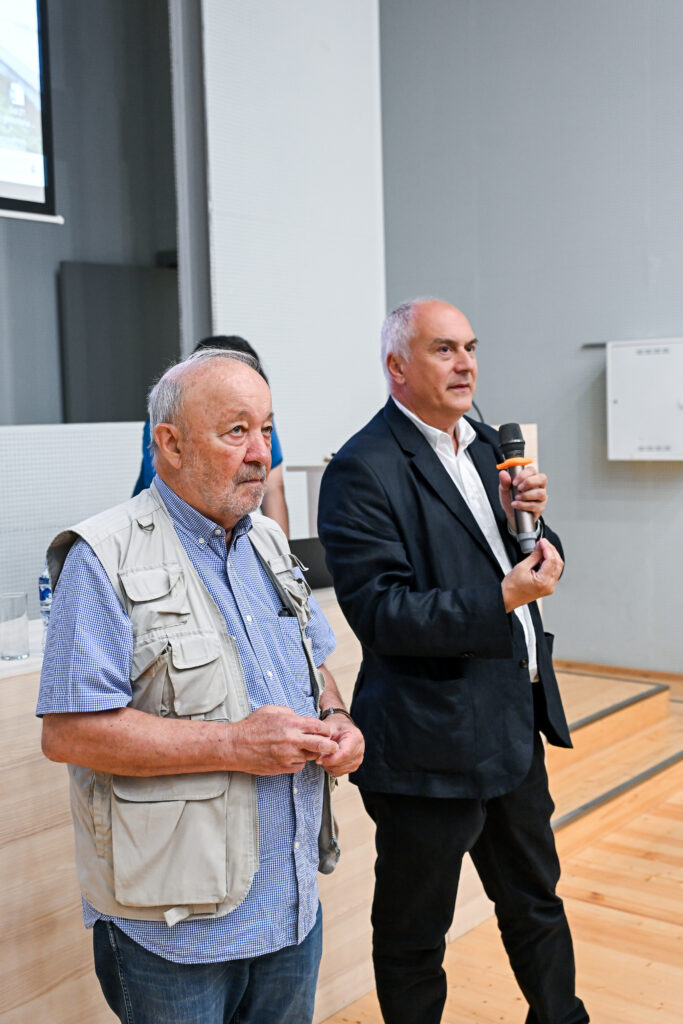
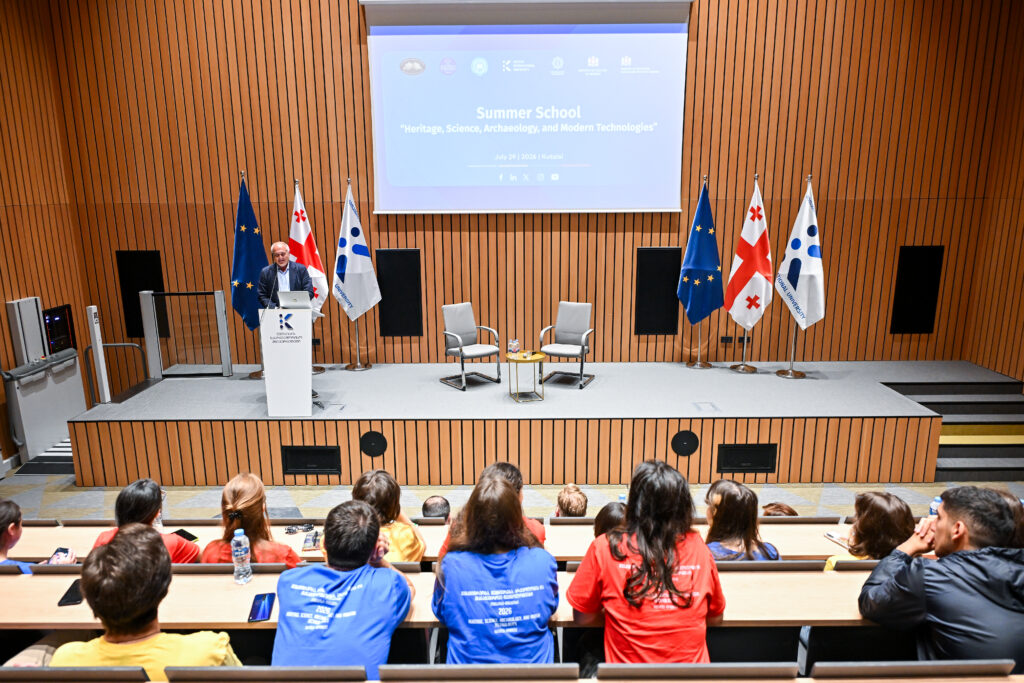
The Summer School was officially opened and closed by Academician David Lordkipanidze, Academic Director of the Academia Europaea Tbilisi Hub and General Director of the Georgian National Museum, who spoke about the program’s main areas of focus, its priorities, and the importance of contemporary research.
“This year, once again, we are hosting an international school dedicated to cultural heritage and archaeology, while also focusing on new methodologies, technologies, and economics. I can confidently say that this program is truly unique. Through it, we seek to demonstrate the importance of a multidisciplinary approach to science and to encourage participants to develop a broad perspective by examining issues from different angles,” he noted.
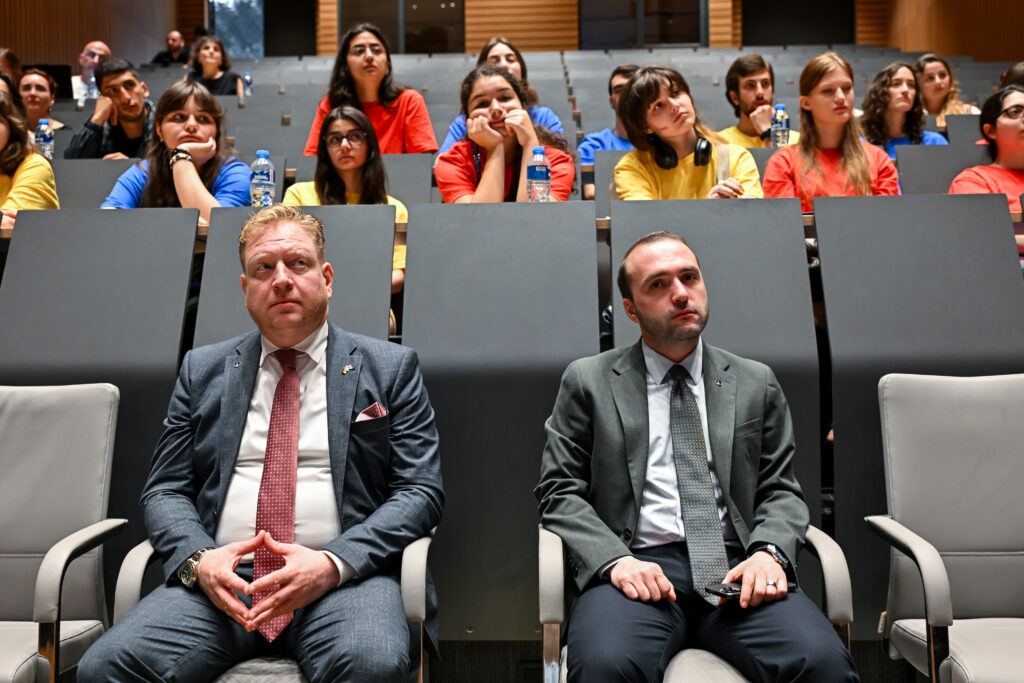
The official opening ceremony was attended by Vakhtang Tsagareli, Executive Director and Rector of Kutaisi International University (KIU), and Levan Kopaliani, Chancellor of KIU. The closing ceremony was attended by Faig Guliyev, Ambassador Extraordinary and Plenipotentiary of the Republic of Azerbaijan to Georgia; Giorgi Mirtskhulava, Deputy Minister of Culture of Georgia; Prof. Farhad Quliyev, Director of the Institute of Archaeology and Anthropology of Azerbaijan; and Levan Kopaliani, Chancellor of Kutaisi International University.
From 3 August, the program continued at the Dmanisi Paleoanthropology Field School, which for many years has offered students a unique opportunity to participate in archaeological excavations of global significance and to become participants in and witnesses to new discoveries. The archaeological excavations at Dmanisi have established Georgia’s name worldwide as the homeland of the first Europeans.
The project has been made possible with the support of the Ministry of Culture of Georgia and the Ministry of Education, Science and Youth of Georgia. It is also worth noting that, with the support of the Heydar Aliyev Foundation, Azerbaijani students participated in the Summer School for the first time this year.
The Summer School, which has already become a tradition, was held at Kutaisi International University (KIU).